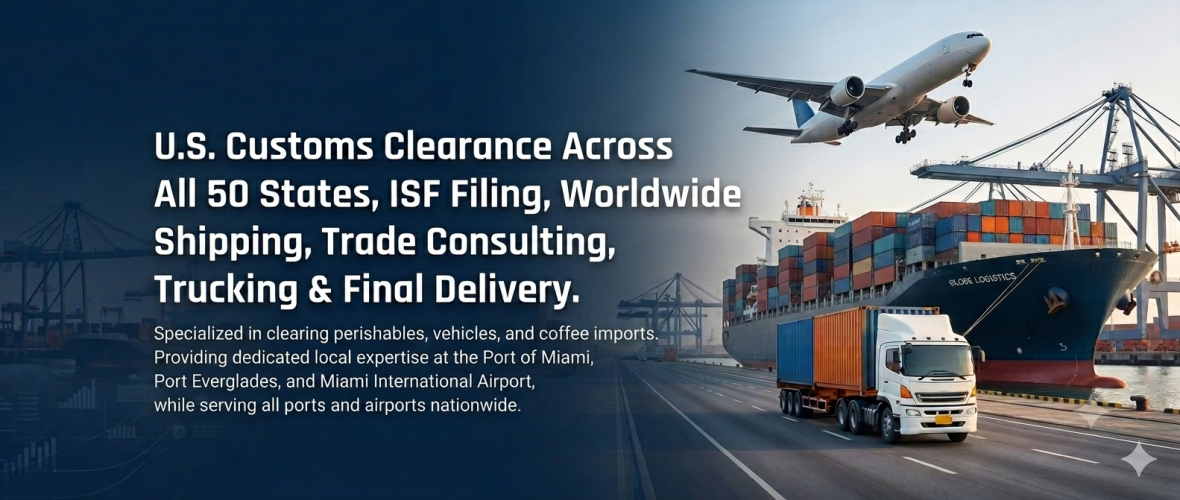

Importing heavy machinery, industrial construction equipment, and specialized replacement components requires absolute precision and flawless multimodal execution. Whether your ocean containers or breakbulk shipments arrive via PortMiami, Port Everglades, or Miami International Airport (MIA), navigating U.S. customs compliance and port drayage demands an expert local strategy.
As a primary logistics gateway connecting North America with Latin America, the Caribbean, and global manufacturing hubs, South Florida handles high volumes of industrial imports. Avoiding expensive port demurrage, terminal storage fees, and project delays requires a thorough understanding of customs brokerage, specialized drayage, and Partner Government Agency (PGA) regulations.
What is Heavy Machinery Port Drayage and Why is it Critical?
Port drayage is the specialized transport of containerized or out-of-gauge (OOG) cargo over a short distance—typically from marine terminals or rail ramps to a local warehouse, transload facility, or directly to a final job site.
For heavy equipment importers, standard trucking options are often insufficient. Moving oversized machinery or heavy component parts demands specialized equipment such as tri-axle chassis, flatbeds, step-decks, and RGN (Removable Gooseneck) trailers.
Key Elements of South Florida Heavy Drayage:
- Pier-to-Warehouse Transfers: Moving containers off the port quickly to prevent skyrocketing terminal demurrage and detention charges.
- Transloading & Devaning: Safely lifting heavy industrial components out of standard dry vans or securing them onto flatbeds for safe interstate transit.
- Port Tunnel & Highway Access: Leveraging strategic infrastructure like PortMiami’s direct tunnel link to major interstate corridors (I-95) to accelerate delivery schedules.
Core Regulatory Challenges in Heavy Equipment & Industrial Imports
Unlike consumer merchandise, heavy machinery and industrial replacement parts face strict oversight from multiple U.S. federal agencies. Managing compliance independently exposes importers to unexpected audits, cargo holds, or severe fines.
- Harmonized Tariff Schedule (HTS) Accuracy: Correctly classifying complete industrial machinery versus specialized replacement components (such as engine blocks, hydraulic pumps, filters, and undercarriage tracks) ensures you pay accurate duty rates. Misclassification is a primary trigger for Customs and Border Protection (CBP) penalties.
- Partner Government Agency (PGA) Compliance: Depending on the country of origin and equipment type, shipments must often clear regulations enforced by the Environmental Protection Agency (EPA)—particularly regarding heavy-duty diesel engine emissions—and the Department of Transportation (DOT).
- Strict Valuation & Documentation: Commercial invoices must precisely reflect serial numbers, exact model years, and manufacturing specifications. Used or surplus machinery undergoes rigorous scrutiny by CBP to verify valuation and origin.
Step-by-Step Blueprint to Streamline Your Import Supply Chain
Keeping construction, mining, agricultural, and industrial fleets operational means eliminating downtime. When urgent components and heavy units touch down in South Florida, timing is everything.
- Pre-Clearance File Submission: Transmitting commercial invoices, Bills of Lading (BOL), and detailed packing lists to your customs broker before the vessel berths.
- Timely ISF Filing: Executing accurate 10+2 Importer Security Filings for ocean freight well ahead of vessel arrival to prevent heavy liquidated damages from CBP.
- Synchronized Port Release & Drayage: Partnering with a localized South Florida team that coordinates digital customs releases with physical trucking assets to pull cargo the exact moment it clears inspection.
Best Practices to Prevent Customs and Port Delays
- Double-Check Serial & Part Numbers: Verify that serial numbers listed on shipping manifests match the physical metal plates stamped onto the machinery or major assemblies.
- Prepare Clean Documentation Upfront: Ensure precise weight, volume, and material composition disclosures to avoid container flags for Non-Intrusive Scans (NII) or physical intensive exams.
- Leverage Local Expertise: Working with a dedicated customs partner stationed directly in the Miami and Port Everglades corridor ensures rapid response times with terminal operators, steamship lines, and customs authorities.
Get Expert Heavy Machinery Customs & Drayage Support in South Florida
Don’t let compliance bottlenecks and port congestion stall your heavy equipment logistics. Whether you are clearing a single line of industrial replacement parts or managing full-scale heavy machinery imports through PortMiami or Port Everglades, our team is ready to accelerate your supply chain pipeline.
Request a Free Customs Quote Today!